
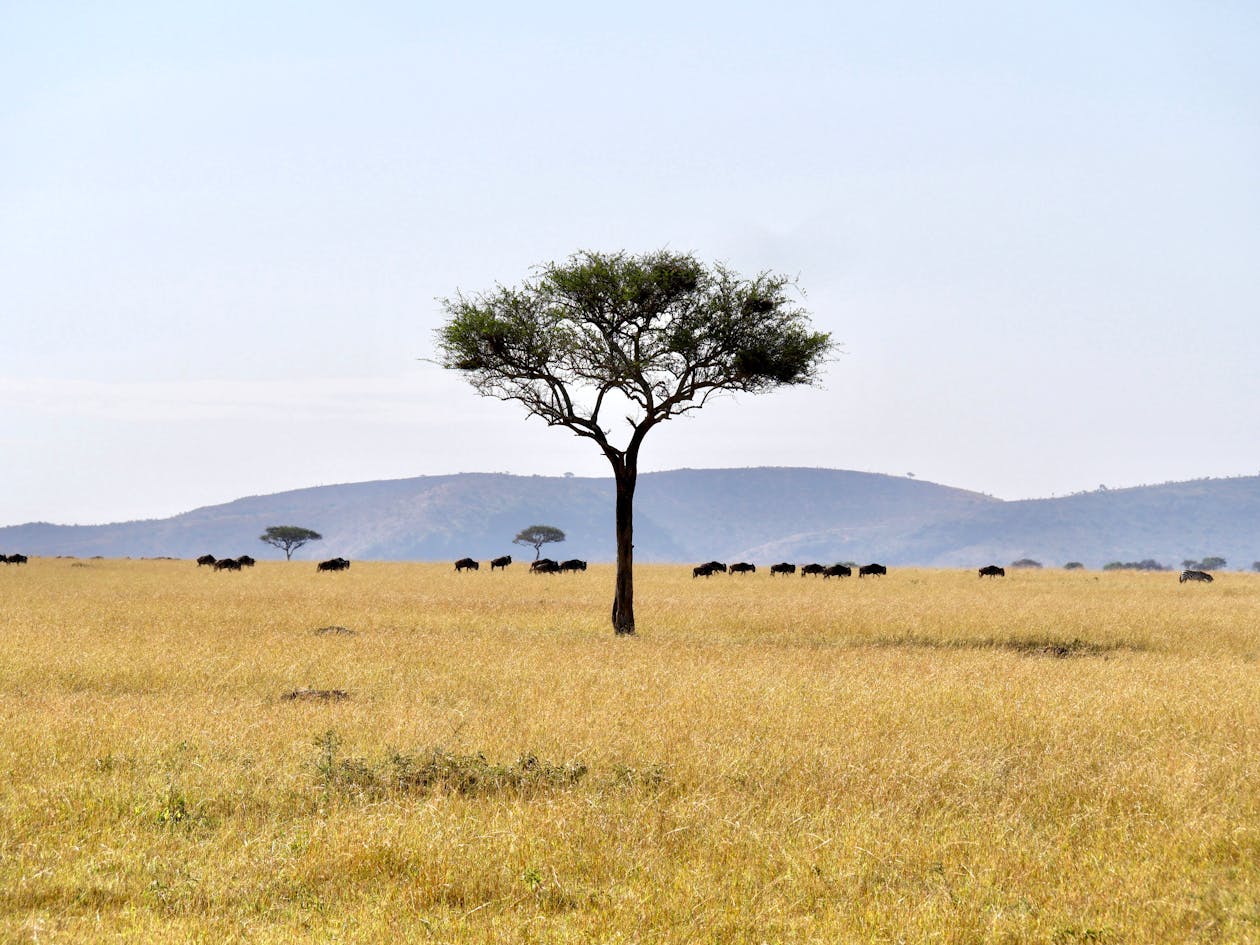
The best time to visit Tanzania for safari is the dry season, from June to October, when the grass is short, animals gather around the rivers and waterholes that still hold water, and the Serengeti's Mara River crossings take place in the north. If you want newborn wildebeest and intense big-cat action, visit in January or February during the calving season. If you care most about lower prices and quiet parks, travel in the green season from March to May. There is no truly bad time to go, only the best time for the kind of safari you have in mind.
Tanzania is a year-round safari destination, but the experience changes a lot from one month to the next. The wildlife, the weather, the crowds, and the price all shift with the seasons, so the right timing really depends on what matters most to you. This guide breaks down each season and every month so you can match your trip to the wildlife you most want to see.
Here is the quick version at a glance:
| What matters most to you | The best months to travel |
|---|---|
| Easy wildlife viewing and big cats | June to October |
| The Mara River crossings | Late July to October |
| Newborn animals and predators | January and February |
| Fewer crowds and lower prices | March to May, and November |
| Green scenery and great birding | November to April |
Tanzania's safari seasons explained
Tanzania has two main seasons that shape any safari: the dry season and the green (or wet) season. Understanding the difference is the fastest way to make sense of everything else in this guide, because the wildlife, the crowds, and the cost all follow the rain.
The dry season runs from about June to October. Rain is rare, the vegetation thins out, and wildlife concentrates around permanent water, which makes animals far easier to find. Daytime temperatures are pleasant, often around 75 to 82°F (24 to 28°C), with cool mornings that can dip near 50°F (10°C) on the Ngorongoro Crater rim, so a warm layer for early game drives is worth packing. This is peak season, which means it is also the busiest and most expensive time to travel.
The green season covers the short rains in November and December and the long rains from March to May. Showers usually arrive in short afternoon bursts rather than all-day rain, especially during the short rains. The landscape turns lush, newborn animals appear, migratory birds arrive, and both crowds and prices drop. The catch is taller grass that can hide some animals and, during the long rains, the occasional muddy road and a few seasonal camp closures.
When is the best time to go for general wildlife viewing?
For the easiest all-around wildlife viewing, plan your safari between June and October. As the dry season takes hold, water becomes scarce, so elephants, lions, buffalo, and big herds of zebra and wildebeest gather around the rivers and waterholes that remain. Thinner bush means you can see further across the plains, and predators are easier to spot as they shadow the herds.
The weather helps too. Clear skies and firm, dry roads make the long drives between parks more comfortable and the light excellent for photography. July through September is the heart of the season, when the northern Serengeti also hosts the famous river crossings. The only real downside is popularity. You will share the best sightings with other vehicles, and lodge prices reach their yearly peak, so book several months ahead if you can.
Tanzania safari month by month
Here is how the year unfolds, month by month. The wildebeest and the weather both follow the rains, so the exact timing shifts a little each year, but the overall pattern is dependable enough to plan around.
January. The short rains have usually eased, leaving the southern Serengeti and the Ndutu area green and full of life. The wildebeest gather here to give birth, and warm, mostly clear days make for comfortable game drives. It is a quieter, rewarding time to travel before the calving reaches its peak.
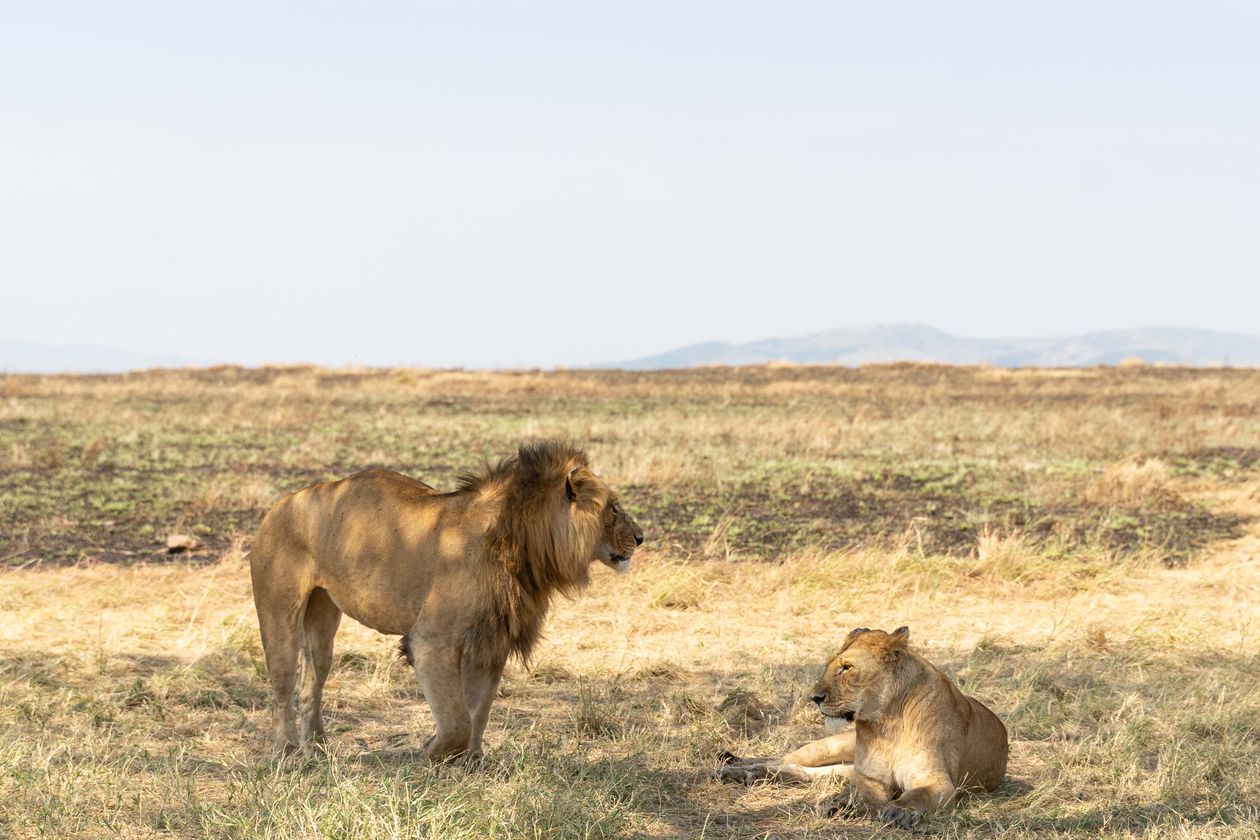
February. This is the peak of calving season around Ndutu. Hundreds of thousands of wildebeest calves are born within a few weeks, and the concentration of vulnerable young pulls in lions, cheetahs, and hyenas, so predator sightings are some of the best of the year. The weather is warm and the southern plains are at their most alive.
March. The long rains usually begin late in the month. Crowds thin out, prices soften, and the herds start drifting northwest toward the central Serengeti. You may catch afternoon showers, but you will often have sightings largely to yourself, which many travelers happily accept in return.
April. This is the wettest month and the quietest of the year. The scenery is beautifully green, photography can be wonderful between showers, and lodge rates fall to their lowest. Some camps close and a few roads get muddy, so April suits flexible travelers who do not mind the weather in exchange for low prices and space.
May. The long rains begin to taper off toward the end of the month. It stays green and quiet, prices remain low, and the herds keep moving north. Late May can be a real sweet spot for value, just before the dry season and the crowds return.
June. The rain clears and the dry season settles in. The wildebeest build up along the Grumeti River in the Western Corridor, where the first river crossings of the year can happen. Wildlife viewing is strong, and there are fewer people than in the busy months just ahead.
July. Peak season begins. The herds push toward the northern Serengeti, and the dramatic Mara River crossings can start late in the month. Wildlife viewing across the whole northern circuit is excellent, though this is also when lodges fill quickly, so book early.
August. One of the most popular months of all. The Mara River crossings are in full swing in the north, the weather is dry and pleasant, and animals are easy to find across the parks. Expect peak prices and plenty of company at the best sightings.
September. Another prime month, with continued river crossings in the north and superb general game viewing. Crowds stay high but begin to ease a little toward the end of the month as the busiest weeks pass.
October. The last reliable month of the dry season, and a quieter alternative to the August peak. River crossings can still happen early in the month, and wildlife viewing stays excellent right up until the short rains arrive.
November. The short rains usually begin, the landscape greens up, and the herds start moving back toward the south. Crowds and prices drop from their peak, and the brief showers rarely interfere with game drives. It is an underrated month for both value and quiet.
December. Early December is green and peaceful, then demand climbs again over the festive holidays. The wildebeest settle back onto the southern plains, setting the stage for the calving season to begin all over again.
When is the best time to see the Great Migration?
The Great Migration is not a single event on a fixed date. It is a continuous, year-round loop of well over a million wildebeest, along with hundreds of thousands of zebra and gazelle, moving around the Serengeti ecosystem in search of fresh grass and water. Because it is always happening somewhere, the real question is less about when it occurs and more about where it is during your travel dates.
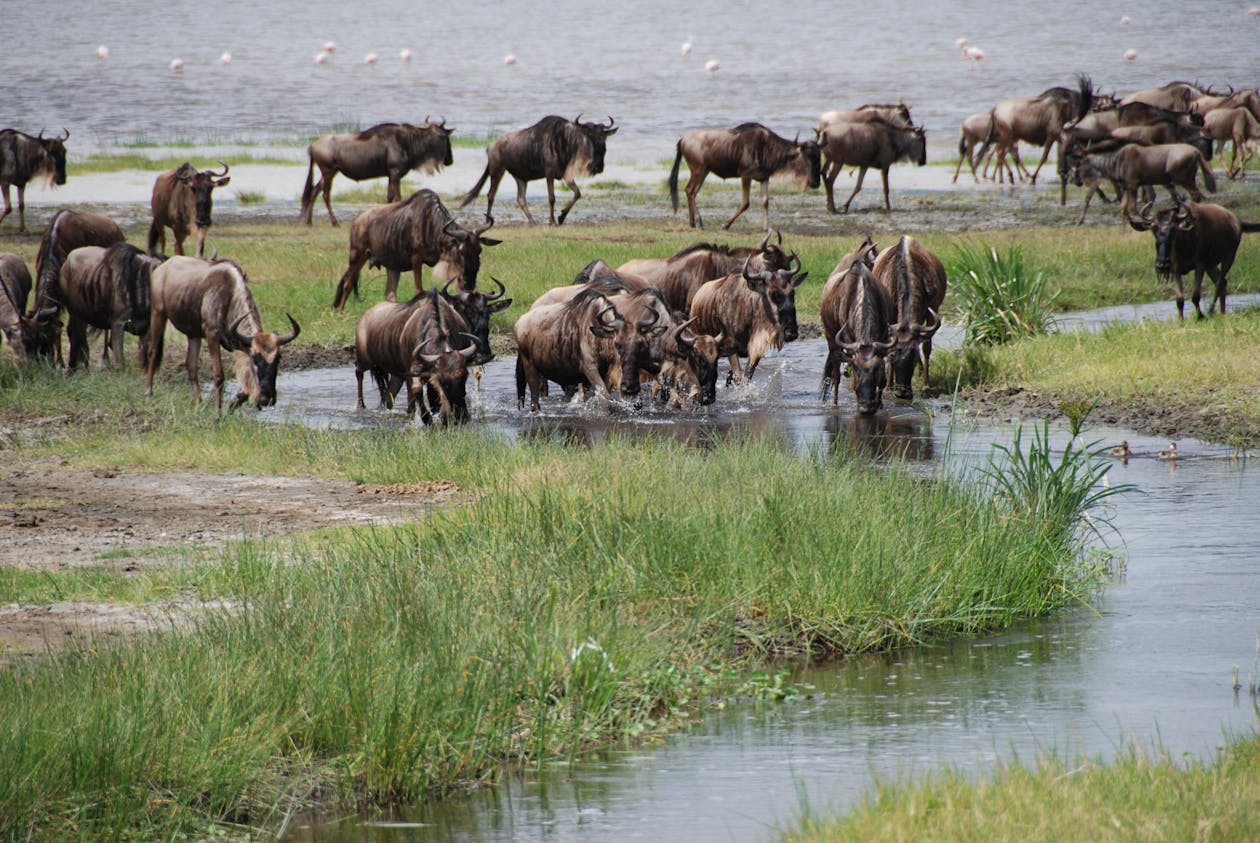
If you want the calving, aim for late January through February in the southern Serengeti and the Ndutu area, where the predator action is at its peak. If you want the river crossings, the Grumeti River in the Western Corridor can come alive around June and July, while the larger and more famous Mara River crossings in the north usually run from late July into October.
One honest point: crossings can never be guaranteed on a given day. The herds may wait at the water's edge for hours, cross several times in an afternoon, or sit tight for days. If a crossing is the centerpiece of your trip, give yourself at least three or four nights in the right area and a little patience. For help deciding where to base those nights, see our guide to the Serengeti versus Ngorongoro Crater.
Is the green season worth visiting?
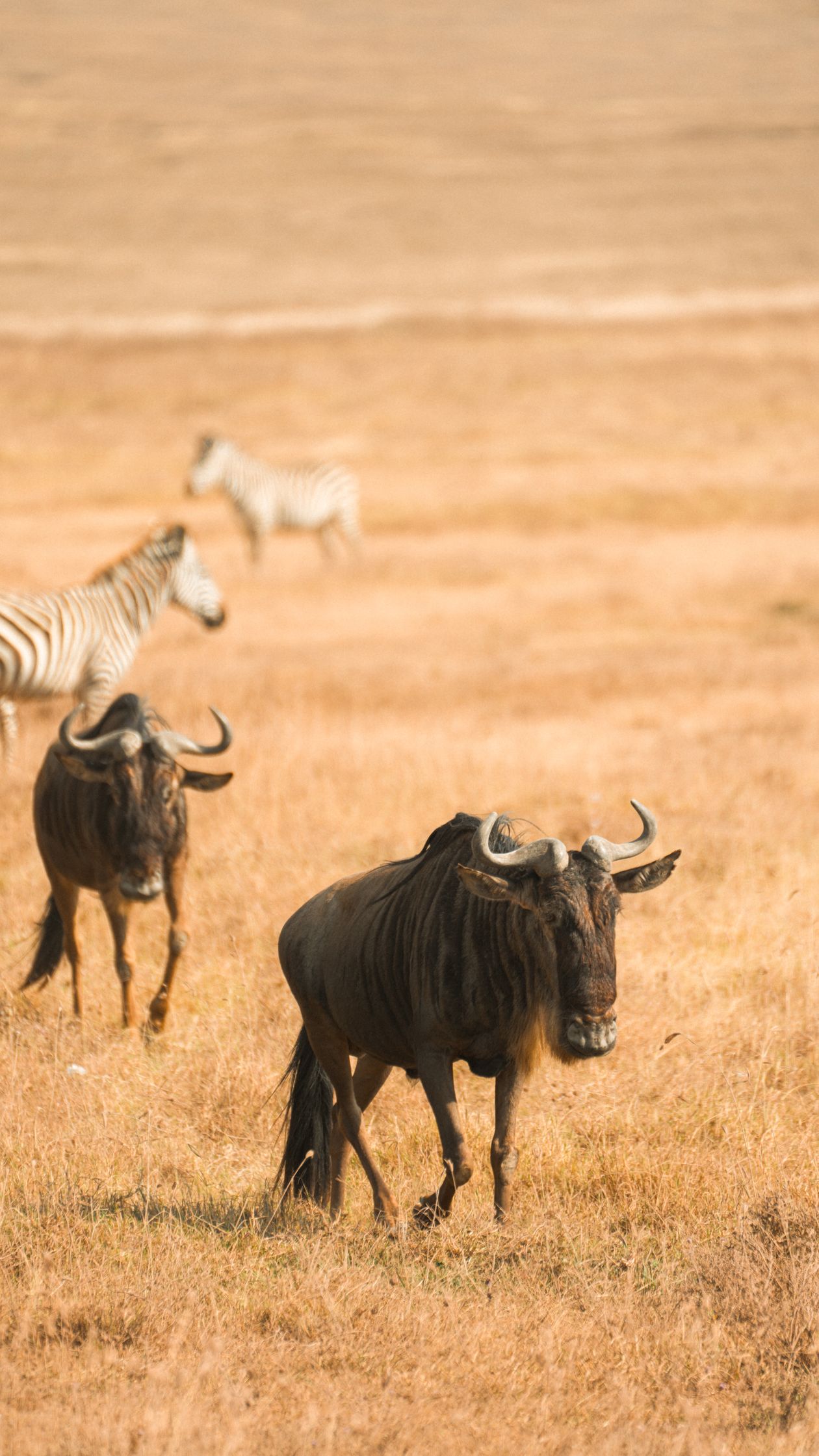
The green season, from November to December and again from March to May, has a reputation for being a poor time to travel, and that reputation is mostly unfair. The rain usually comes as short, heavy afternoon showers rather than constant drizzle, and the rewards can be considerable if you go in with the right expectations.
On the plus side, you get noticeably lower prices, far fewer vehicles at sightings, lush and photogenic landscapes, and excellent birding as migratory species arrive. The calving season falls within it too, so January and February travelers enjoy newborns and predators. The catch is that taller grass can hide some animals, the long rains in April and May are the wettest stretch, and a handful of camps close for the season. For travelers who value space and good prices over guaranteed easy sightings, the green season is a smart choice rather than a compromise.
When is the cheapest time for a Tanzania safari?
The cheapest time to go is the low season, broadly March to May and parts of November. Many operators trim their package prices by around 20 to 30 percent in these months, and individual lodges can cut their nightly rates by up to half compared with the July to September peak. April and May are usually the lowest of all.
Lower prices come with the wettest weather, so weigh that against your budget. If you are happy with the occasional shower, greener and taller grass, and a slightly slower pace on muddy roads, the savings can be significant, and a green-season safari can cost a fraction of a peak-season trip while still delivering wonderful wildlife. If you are also working out how long to travel, our guide on how many days you need for a Tanzania safari can help you balance time and budget.
Best time to visit for first-time safari-goers
If this is your first safari and you want the safest bet for easy wildlife viewing and reliable weather, travel between June and September. You will get the classic dry-season experience that most people picture when they imagine Tanzania, with animals gathered around water and clear skies for photos. It is the most forgiving time to go, which counts for a lot on a first trip.
If you would happily swap a little of that certainty for fewer people and dramatic predator action, January and February make a wonderful alternative, and they tend to cost less. Whichever you choose, around a week is plenty for a first northern-circuit safari. Our 6-day Tanzania safari itinerary shows how the main parks fit together so you can picture the whole trip.
What is the weather like, and what should you pack?
Tanzania's safari weather is shaped more by altitude than by the calendar. The northern parks sit fairly high, so even in the dry season the days are warm rather than hot, usually around 75 to 82°F (24 to 28°C), while early mornings and the Ngorongoro Crater rim can be genuinely cold, sometimes near 40 to 50°F (5 to 10°C). Layers are the answer: a warm fleece or jacket for dawn game drives, and light, neutral-colored clothing for the warmer middle of the day.
In the green season, add a light rain jacket and expect some humidity along with the showers. Whatever the month, bring sun protection, insect repellent, and a hat, since the sun is strong at altitude even when the air feels mild. Packing for the season you are actually traveling in makes a real difference to how much you enjoy those long days in the vehicle.
Final thoughts
There is no single best time to visit Tanzania, only the best time for the safari you want. Travel from June to October for the easiest wildlife viewing and the river crossings, choose January or February for newborns and big cats, or pick the green season for lower prices and a quieter, greener Serengeti.
Once you have a rough season in mind, the next steps are choosing your parks and deciding how long to stay. Our guides to the Serengeti versus Ngorongoro Crater and how many days you need for a Tanzania safari will help you shape the rest of the trip, and we are always happy to build an itinerary around the time of year that suits you best.
Frequently asked questions
What is the best month to visit Tanzania for a safari?
July through September is the most popular window, with dry weather, easy wildlife viewing, and the Mara River crossings in the northern Serengeti. If you would rather avoid the crowds, February is an excellent alternative, bringing the calving season and strong predator action at a lower price.
When is the best time to see the Great Migration river crossings?
The famous Mara River crossings in the northern Serengeti usually run from late July to October. The earlier Grumeti River crossings in the Western Corridor tend to happen around June and July. Crossings are never guaranteed on a set day, so plan a few nights in the right area to improve your chances.
When is the cheapest time to go on a Tanzania safari?
April and May are usually the cheapest, since they fall in the long rains. You can expect lower package prices and discounted lodges, in exchange for greener scenery, occasional showers, and a few seasonal camp closures. November can also offer good value as the short rains begin.
Is the rainy season a bad time for a safari?
Not at all. The green season brings lower prices, quieter parks, lush scenery, great birding, and the calving season in January and February. The main things to keep in mind are taller grass that can hide some animals and wetter conditions during the long rains of April and May.
What is the best time for first-time safari-goers?
June to September is the safest choice for a first safari, with reliable dry weather and easy wildlife viewing. January and February are a strong alternative if you want fewer crowds and dramatic predator sightings during the calving season.
What is the weather like on a Tanzania safari?
Days are usually warm, around 75 to 82°F (24 to 28°C), with cool early mornings and cold nights on the Ngorongoro Crater rim. The dry season from June to October has clear skies and very little rain, while the green season brings short, heavy afternoon showers and lush green landscapes.