
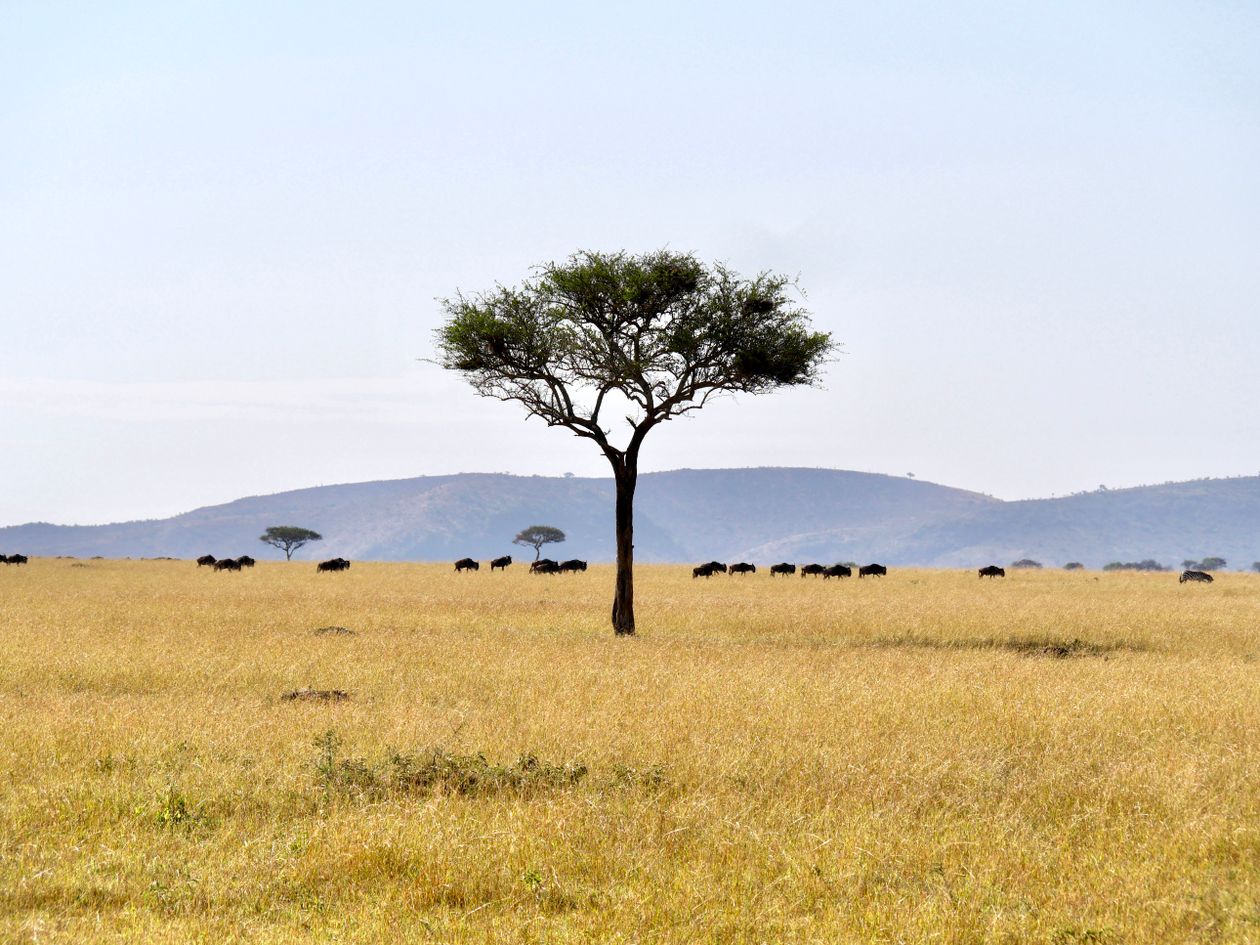
Tanzania's northern safari circuit is genuinely safe for visitors. The US State Department raised its advisory to Level 3 in October 2025, citing terrorism near the Mozambique border and post-election unrest in urban areas, but those concerns are concentrated hundreds of miles south of the Serengeti, Ngorongoro Crater, and Tarangire. The risks worth preparing for on a northern circuit safari are specific and manageable: malaria requires prescribed medication, petty crime in safari towns calls for the same awareness you would use in any busy city, and wildlife danger on a guided game drive is minimal when you follow your guide's instructions.
| Risk | What it means for safari travelers |
|---|---|
| Crime in national parks | Very low; tourism police maintain 24-hour coverage |
| Crime in Arusha or Dar es Salaam | Moderate; petty theft in crowded areas, standard urban precautions apply |
| Malaria | Present year-round in all major park areas; fully preventable with medication |
| Wildlife danger on a game drive | Minimal when you stay in the vehicle and follow your guide |
| Terrorism | Confined to Mtwara Region near the Mozambique border, far from safari circuits |
| Election-related unrest | Concentrated in Dar es Salaam in late 2025; northern parks unaffected |
What the US Level 3 Advisory Actually Means
The US advisory upgrade from Level 2 to Level 3 in October 2025 reflected three separate concerns, and it helps to know what each one is before you make a decision.
The first is terrorism risk in Tanzania's Mtwara Region, which shares a border with Mozambique's Cabo Delgado province. Armed groups linked to Islamic extremism have carried out repeated attacks in Cabo Delgado since 2017, and the proximity of Mtwara creates a spill-over concern. Mtwara is approximately 1,400 km south of Arusha, the base for the northern safari circuit, and does not appear on any standard Tanzania safari itinerary.
The second concern is post-election violence. Tanzania's October 2025 general election was followed by widespread protests in Dar es Salaam and other urban centers, with security forces responding with lethal force and the opposition putting the death toll between 1,000 and 2,000. This was serious and should not be dismissed. What matters for safari planning is where it happened: protests were urban and concentrated along the coast, while TANAPA confirmed that Serengeti, Ngorongoro, Tarangire, and Lake Manyara remained fully operational and secure throughout. The political environment has been tense, so monitoring current news before and during your trip is sensible practice. Stay out of large public gatherings in cities.
The third factor is a warning about legal and safety risks for LGBTQ+ travelers, covered in its own section below.
Level 3 means "reconsider travel," not "do not travel," which is the Level 4 designation. The UK Foreign Office and Australian Smartraveller both kept the northern safari circuit at an equivalent of normal precautions for the same period. If you are traveling to the Serengeti, Ngorongoro Crater, Tarangire, or Lake Manyara, the Level 3 advisory does not reflect conditions in the areas you will visit.
Safari Parks vs. Arusha: Where the Real Risks Are
Crime against tourists inside Tanzania's national parks is very low. TANAPA operates 24-hour security across all northern circuit parks, and serious incidents involving visitors on game drives have been rare in recent years. The parks are a closed, guided environment: you travel with a professional guide, access routes are controlled, and the people around you are other safari vehicles and lodge staff.
Arusha is a different setting. As the main staging town for northern circuit safaris, it has the dynamics of a busy East African city. Petty theft is the main concern for tourists, particularly pickpocketing and bag snatching in crowded areas like the central market, the Clock Tower roundabout, and public bus stations. The Njiro and Haradali areas near the main hotels and shopping malls are considerably safer. Practical steps: keep your phone in a front pocket or small zipped crossbody bag, avoid walking alone on unfamiliar streets after dark, and use a hotel-arranged vehicle or a verified taxi rather than flagging down an unknown driver.
Dar es Salaam follows the same pattern. Stay near your hotel, use Uber or hotel transport rather than unmarked taxis, and avoid carrying camera equipment visibly through busy areas. Most safari travelers pass through both cities without incident, especially those on a structured itinerary with airport transfers arranged by their operator.
Wildlife Safety on a Game Drive
Tourist injuries from wildlife on a Tanzania safari are very rare, and fatalities are rarer still. Your guide's job is to know where the animals are, how to read their behavior, and when to give ground. They do this every day, and their professional reputation depends on keeping you safe.
The rules are straightforward: stay in the vehicle unless your guide explicitly says otherwise, keep your arms and head inside, sit down rather than standing, avoid sudden loud noises near animals, and follow guide instructions immediately and without hesitation. The small number of incidents that do occur almost always involve a visitor who broke one of these rules.
A few animals worth understanding before you go:
- Hippos cause more human fatalities across Africa than any other large mammal, but nearly all incidents involve fishermen and communities living near rivers, not tourists in vehicles. On a boat trip or walking near water at dawn or dusk, stay well back from the shoreline and follow your guide's lead without delay.
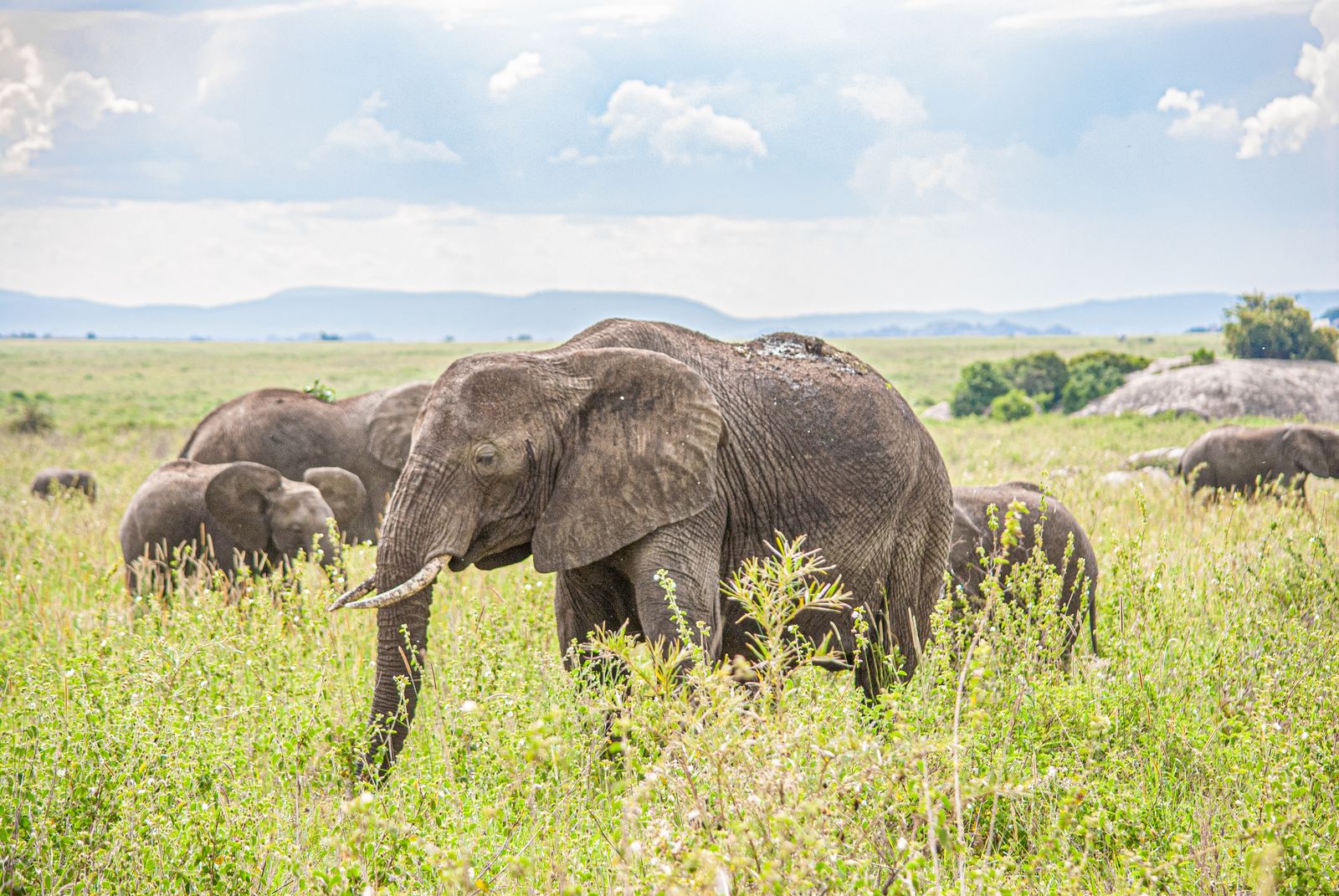
- Elephants can become unpredictable when cornered or when a female is protecting a calf. An experienced guide will recognize warning signs: mock charges, ear-fanning, foot-stomping. They will move the vehicle before a confrontation develops.
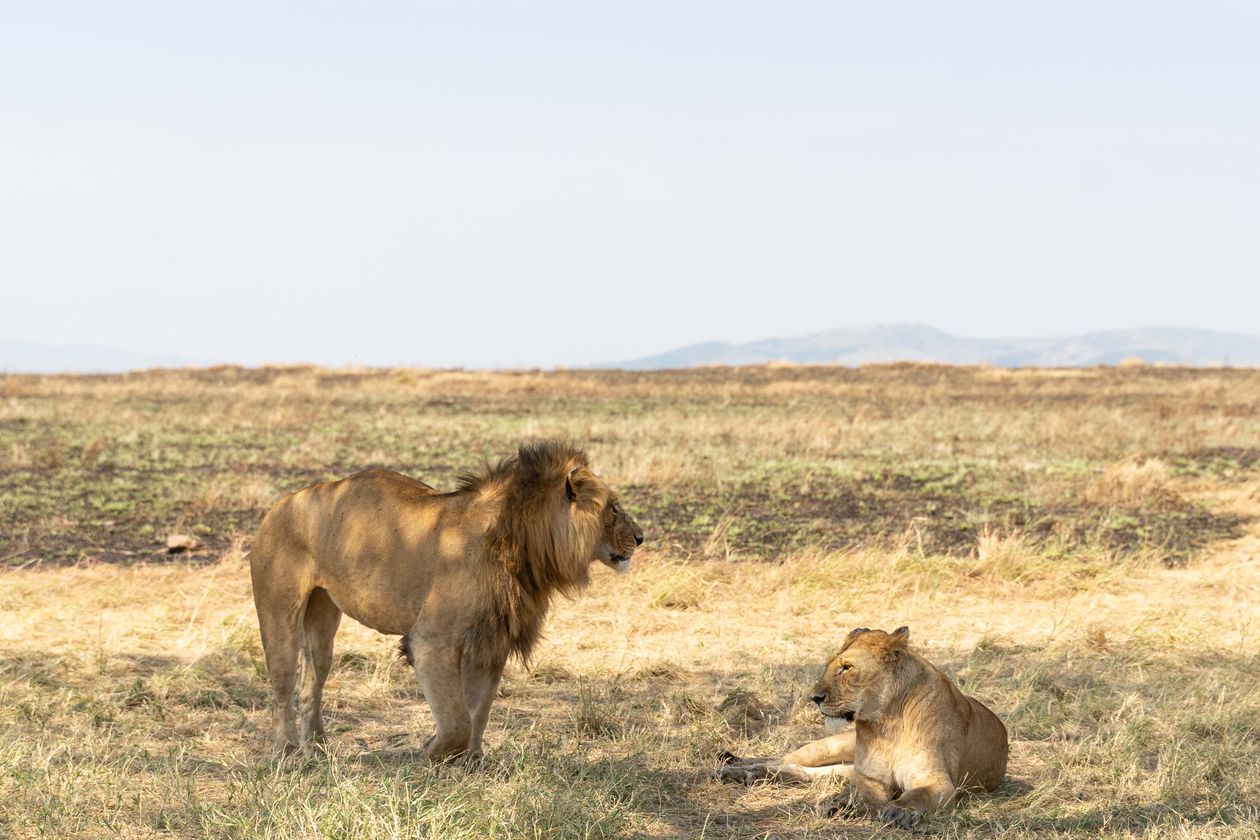
- Lions are largely indifferent to safari vehicles, which they treat as large, harmless objects. They will often pass within a few meters of a stationary vehicle without concern. The attack statistics cited in some travel articles mostly reflect incidents involving local communities in rural buffer zones, not tourists on guided game drives.
If you follow your guide's instructions, the wildlife is one of the best parts of your trip. Choosing a reputable operator with experienced guides is the most important safety decision you make, more than any piece of gear or any individual preparation tip.
Malaria: The Risk That Catches Most Visitors Off Guard
Malaria is the health risk that catches the most safari visitors off guard, not because it is unavoidable but because some travelers arrive without medication. Tanzania has malaria year-round in all areas below around 1,800 meters, which includes Serengeti, Tarangire, Lake Manyara, and Arusha. The Ngorongoro Crater floor sits at roughly 1,700 meters, which reduces but does not eliminate the risk.
Transmission is highest during and just after the rainy seasons (March to May and November to December), but it continues in the dry months as well. Don't assume the dry season means no risk.
Antimalarial medication is strongly recommended for all northern Tanzania safari destinations. The three main options are:
- Atovaquone-proguanil (Malarone): daily tablet, start 1 to 2 days before entering Tanzania, continue for 7 days after leaving. Well-tolerated by most people, and usually the first choice recommended by travel clinics.
- Doxycycline: daily antibiotic, start 1 to 2 days before, continue 4 weeks after. Effective but can cause sun sensitivity, worth knowing when you spend long days outdoors in open vehicles.
- Mefloquine (Lariam): weekly tablet, start 2 to 3 weeks before travel, continue 4 weeks after. Less commonly prescribed now due to potential neurological side effects in some users; ask your doctor whether it suits your situation.
Beyond medication: use a DEET-based insect repellent, wear long sleeves and long trousers from dusk onward, and sleep under a mosquito net where one is provided. Good safari camps minimize exposure by keeping dining areas screened and organizing early morning and daytime activities rather than dusk-to-dark ones.
See a travel clinic or your family doctor at least six weeks before you leave, so you can start the chosen medication on schedule and get advice tailored to your specific itinerary.
Vaccinations You Need Before You Go
Yellow fever vaccination is the only one required for entry into Tanzania, and only if you are arriving from a country where yellow fever is endemic. Travelers flying directly from the US, UK, Canada, or most European countries do not need a yellow fever certificate to enter Tanzania. If your route includes a transit through an endemic country, check the current entry requirements before booking flights.
The vaccines most travel clinics recommend for Tanzania are hepatitis A, typhoid, and a tetanus booster. Hepatitis B is worth discussing if your trip is extended or if you may need medical care while away. Rabies vaccination is occasionally suggested for longer stays or travelers planning off-grid activities, since rabies is present in Tanzania, mainly carried by domestic dogs in rural areas.
Book a travel health appointment six to eight weeks before your departure date. This gives enough time to complete multi-dose vaccine courses and to start antimalarials on schedule. Your Tanzania safari packing list should include your vaccination card and copies of your prescriptions.
Medical Facilities and Emergency Evacuation
In the middle of the Serengeti or Tarangire, the nearest hospital is hours away by road. This is not a reason to avoid going — it is a reason to prepare properly.
In Arusha, Arusha Lutheran Medical Centre and several international-standard clinics near the main hotel areas handle routine illness and injuries to an acceptable standard for travelers. Nairobi, roughly four to five hours away by road or about 45 minutes by light aircraft, has more comprehensive facilities at Nairobi Hospital and Aga Khan University Hospital.
AMREF Flying Doctors is the standard recommendation for anyone visiting the parks. For approximately USD 40 per person for 30 days, you get aeromedical evacuation coverage from any airstrip across Tanzania, Kenya, Uganda, Rwanda, and Burundi to a full-service hospital, typically in Nairobi or Dar es Salaam. The medical crew travels with the aircraft. In a remote-park emergency where road evacuation from the Serengeti to Arusha takes three to five hours, a flying doctor aircraft response is typically under 60 minutes from the nearest airstrip.
AMREF membership does not replace travel insurance. It covers the aircraft and crew for evacuation; your travel insurance covers treatment costs, hospitalization, and repatriation home. Check that your policy explicitly covers emergency medical evacuation to an international standard of care — some budget policies exclude this. Carry AMREF's emergency number and your insurance details in your travel documents, not only in your phone.
Solo Female Travelers
Tanzania is one of the more accessible East African destinations for solo female travelers, particularly on a structured, guided safari. The parks themselves carry no specific safety concerns for women: you are with a professional guide and a small group for most of each day, moving between lodges with arranged transfers.
In towns, the precautions are the same as in any unfamiliar city: avoid walking alone after dark in areas you don't know, dress modestly in deference to local norms (conservative clothing is both respectful and practical outside your lodge), and trust your instincts if a situation feels off. Most reputable operators have female staff and experience supporting solo travelers. Choosing your itinerary and operator carefully is the most practical safety step.
LGBTQ+ Travelers
Same-sex sexual activity is illegal in Tanzania under a colonial-era penal code, and the US Level 3 advisory specifically flags a pattern of harassment, surveillance, and arrests targeting LGBTQ+ individuals. The UK Foreign Office and Australian Smartraveller carry equivalent warnings. This is not a theoretical risk — enforcement does occur and is not confined to urban areas.
LGBTQ+ travelers can visit Tanzania, but doing so requires genuine discretion. Avoid public displays of affection in towns, in transit, and in the presence of local staff, even at international lodges. Most high-end safari camps are professionally welcoming in their private spaces, but the legal environment is clear. Think carefully about your comfort level before booking.
8 Practical Safety Tips for Your Safari
- Book through a licensed operator registered with the Tanzania Association of Tour Operators (TATO) or verified through a trusted platform.
- Buy travel insurance that covers emergency medical evacuation to an international standard of care, not just treatment at the nearest local facility.
- Add AMREF Flying Doctors membership for around USD 40 per person for 30 days.
- See a travel clinic at least six weeks before departure; take antimalarials on schedule and as prescribed.
- In Arusha, keep valuables in a front pocket or small crossbody bag, avoid the central market and bus station areas after dark, and use hotel-arranged or verified transport.
- Do not photograph government buildings, military facilities, or police officers — this applies firmly in Tanzania.
- Register your trip with your country's embassy or consulate before you leave; it costs nothing and matters if you need consular help.
- Monitor current travel advisories in the two to four weeks before you depart, as the situation in Tanzania has moved quickly in the past year.
When planning how many days to spend on safari and checking the best time to visit Tanzania, keep in mind that your park selection and travel season also affect which health and safety preparations are most relevant to your specific trip.
Frequently Asked Questions
Is Tanzania safe for tourists right now?
Tanzania's northern safari circuit, covering Serengeti, Ngorongoro Crater, Tarangire, and Lake Manyara, is safe for tourists. The US Level 3 advisory is driven mainly by terrorism risk near the Mozambique border and post-election urban unrest in late 2025, neither of which affected the national parks most visitors come to see. Check current advisories before you travel.
Does the US Level 3 advisory mean I shouldn't go to Tanzania?
Not necessarily for a northern circuit safari. Level 3 means "reconsider travel," not "do not travel" (which is Level 4). The concerns driving the advisory are terrorism in Mtwara and election-related violence in Dar es Salaam, both concentrated in areas far from standard safari itineraries. The UK Foreign Office and Australian Smartraveller rated the northern circuit at a lower concern level during the same period.
Do I need malaria tablets for a Tanzania safari?
Yes, they are strongly recommended. Malaria is present year-round in all major northern Tanzania safari destinations below 1,800 meters. The most commonly prescribed option is atovaquone-proguanil (Malarone). See a travel clinic at least six weeks before departure to get the right prescription and dosing schedule for your itinerary.
Is the wildlife dangerous on a Tanzania safari?
Not on a guided game drive if you follow the rules: stay in the vehicle, keep quiet, and listen to your guide immediately. Tourist fatalities from wildlife on Tanzania safaris are very rare. The large numbers cited in some attack statistics mostly reflect incidents involving local communities in rural areas, not visitors on guided drives inside the parks.
What vaccinations do I need for a Tanzania safari?
Yellow fever vaccination is required for entry only if you arrive from a yellow fever endemic country — travelers from the US, UK, or most of Europe can skip it. Recommended vaccines are hepatitis A, typhoid, and a tetanus booster. Book a travel clinic appointment six to eight weeks before departure.
What is AMREF Flying Doctors and is it worth it?
AMREF Flying Doctors provides aeromedical evacuation from remote locations across East Africa to a major hospital, typically in Nairobi or Dar es Salaam, with a medical crew on board. It costs around USD 40 per person for 30 days. In a remote-park emergency where road evacuation can take three to five hours, it is the fastest route to proper care. Most operators recommend buying it alongside your travel insurance policy.
Is Tanzania safe for solo female travelers?
Yes, on a structured, guided safari. The parks are safe, and most operators have experience supporting solo travelers. In staging towns like Arusha, standard urban precautions apply: avoid walking alone at night, dress modestly outside your lodge, and use trusted transport. Choose a well-reviewed operator and the trip itself should be straightforward.