
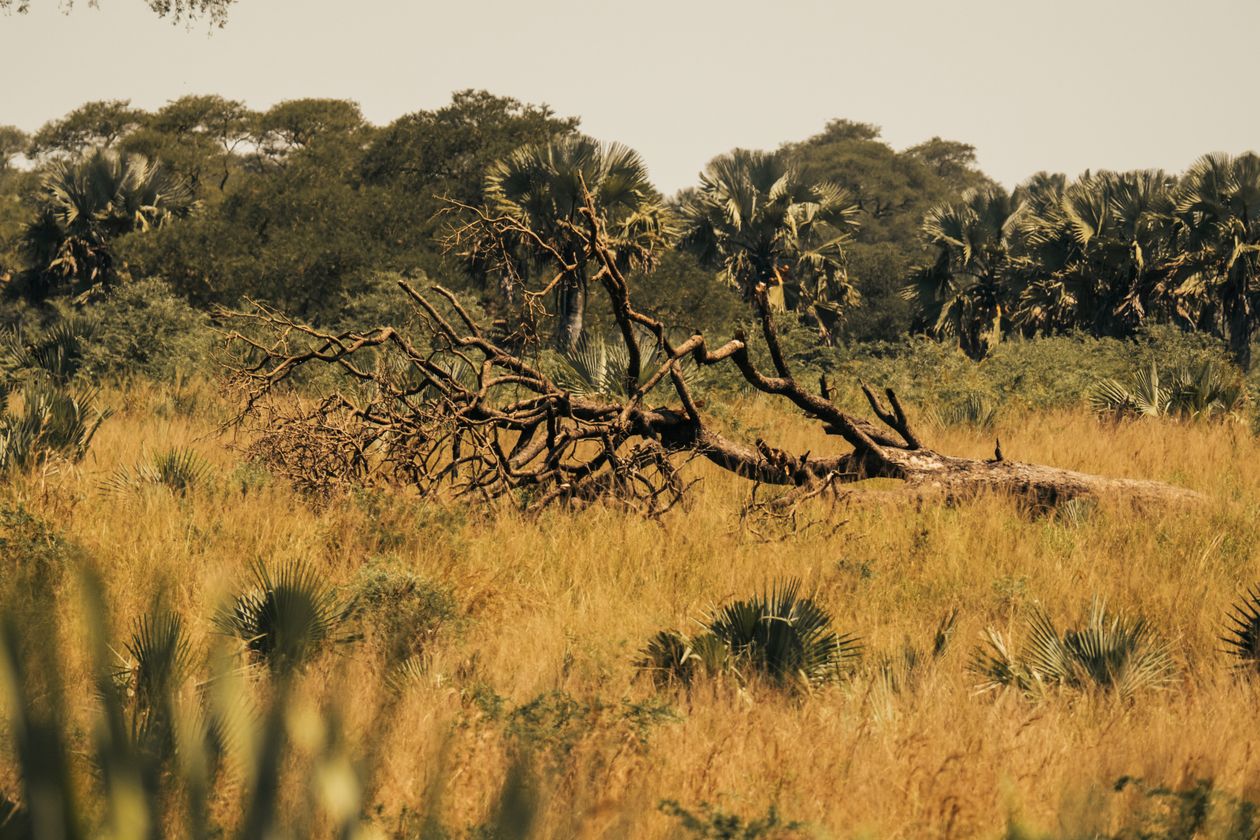
A Serengeti National Park safari puts you at the center of Africa's most famous wildlife ecosystem: roughly 14,750 square kilometers of open plains, woodland, and riverine bush that hold the largest lion population on the continent and host the Great Migration all year. Entry costs $83 per adult per day in 2026 plus concession and VAT, the wildlife is exceptional in every season, and most visitors spend three to four nights here as part of a six- to eight-day northern-circuit trip. When you go should be decided by which part of the migration you want to see, because the herds move through different regions of the park month by month.
Where is the Serengeti and how big is it?
The Serengeti sits in northern Tanzania, bordering Kenya's Masai Mara to the north and the Ngorongoro Conservation Area to the southeast. The national park itself covers about 14,750 square kilometers, roughly the size of Northern Ireland, and it forms the core of a much larger ecosystem of around 30,000 square kilometers that the migrating herds move through. Most safaris reach it by a short bush flight from Arusha or as the far end of a driving route through Tarangire and the Ngorongoro highlands.
The name comes from the Maasai word siringet, meaning "the place where the land runs on forever," and that is the honest first impression. Short-grass plains stretch to the horizon in the south, giving way to acacia woodland, granite outcrops called kopjes, and permanent rivers in the center and north. That variety is why the park supports such dense and varied wildlife, and why different regions peak at different times of year.
Serengeti National Park entry fees in 2026
Serengeti National Park entry fees in 2026 are $83 per adult foreign non-resident per 24 hours, plus a concession fee of about $60 per adult per night if you stay inside the park, and 18% VAT is added on top. Children aged 5 to 15 pay $24 for park entry, and under-fives are free. In practice a foreign adult staying at a park lodge pays roughly $160 per 24 hours once the park fee, concession fee, and VAT are combined. These fees are almost always bundled into the price your operator quotes, so you rarely pay them at the gate yourself.
| Fee (foreign non-resident, per 24 hours) | Adult | Child (5–15) |
|---|---|---|
| Park entry fee | $83 | $24 |
| Concession fee (lodging inside park) | ~$60 / night | $12 / night |
| VAT | 18% added on top | 18% added on top |
| Typical combined cost per day | ~$160 | ~$43 |
A few practical notes. Fees are charged per 24-hour period from the time you enter, not per calendar day, so a well-planned itinerary avoids paying for an extra day you barely use. Payment at the gates is handled electronically through a registered operator rather than in loose cash, which is another reason to book through a licensed company. If you want the full picture of what a trip costs once you add vehicles, guides, and lodging, our guide to how many days you need for a Tanzania safari breaks down how length drives the total.
Best time for a Serengeti National Park safari
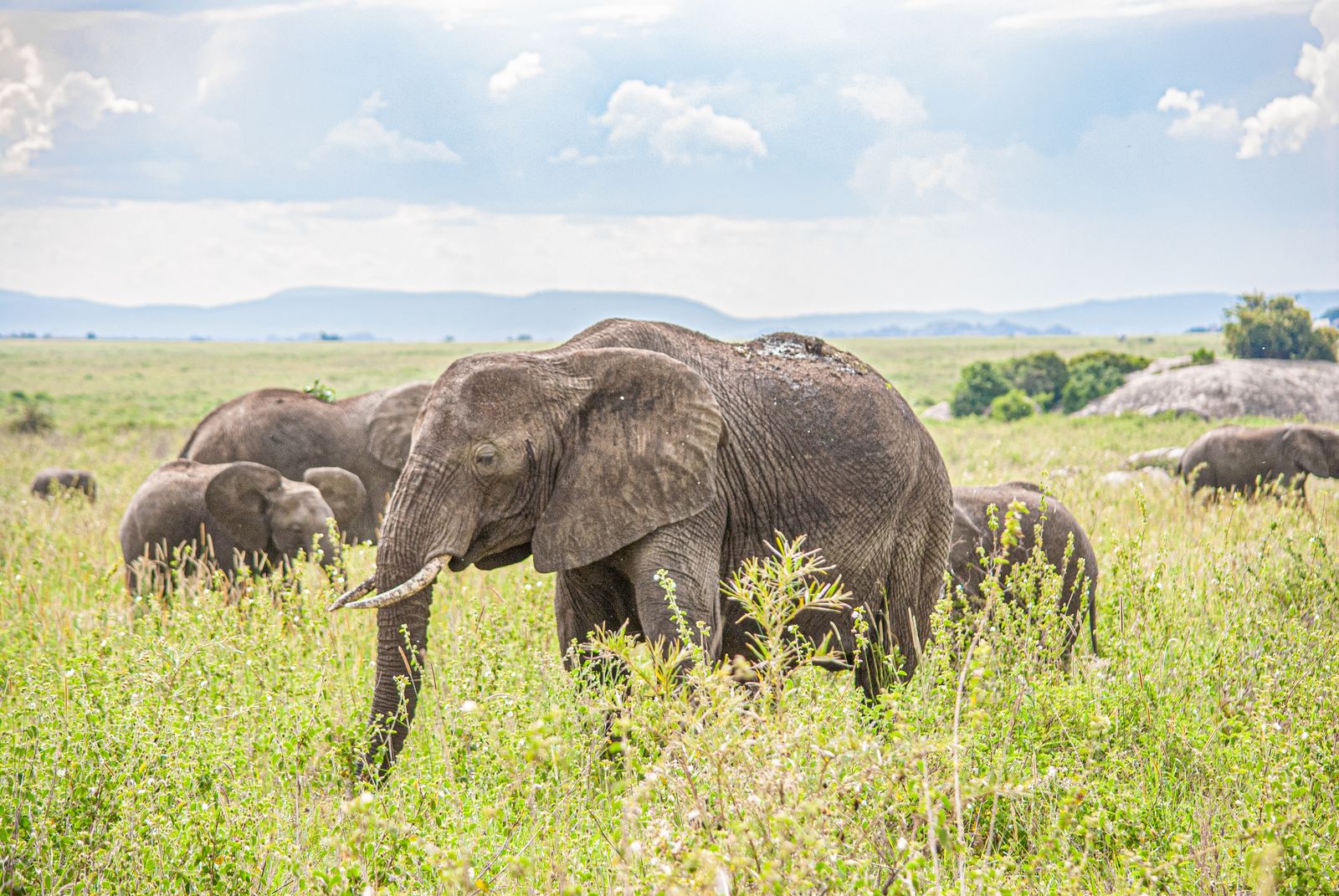
The best time for a Serengeti National Park safari depends on what you want to see, but the dry season from late June to October is the safest all-round choice: the grass is short, water is scarce so animals concentrate, and the dramatic Mara River crossings happen in the north. If your priority is the calving season and huge numbers of predators, aim for late January to March in the southern plains instead. There is no genuinely bad month here, because resident wildlife stays year-round even when the migration has moved on.
The long rains fall in April and May and can make some tracks muddy, but this is also the low season, when lodges are cheaper and quieter and the landscape is at its greenest. November brings shorter rains that rarely disrupt a trip much. For a full month-by-month view across the country, see our best time to visit Tanzania for safari guide, which lines up weather and wildlife for every part of the year.
The Serengeti's regions: where to go and when
The Serengeti is really four distinct areas, and choosing the right one for your dates matters more than any other single decision. The migration follows a roughly clockwise loop through them over the year, so the same park can feel completely different depending on when you visit and where your camp sits. Here is how the main regions break down.
Central Serengeti (Seronera) is the year-round heart of the park and where most first-time visitors base themselves. The permanent Seronera River draws resident lions, leopards, cheetahs, elephants, and hippos regardless of the migration, giving it some of the highest predator density in Africa. If you can only pick one region, this is the reliable choice in any month.
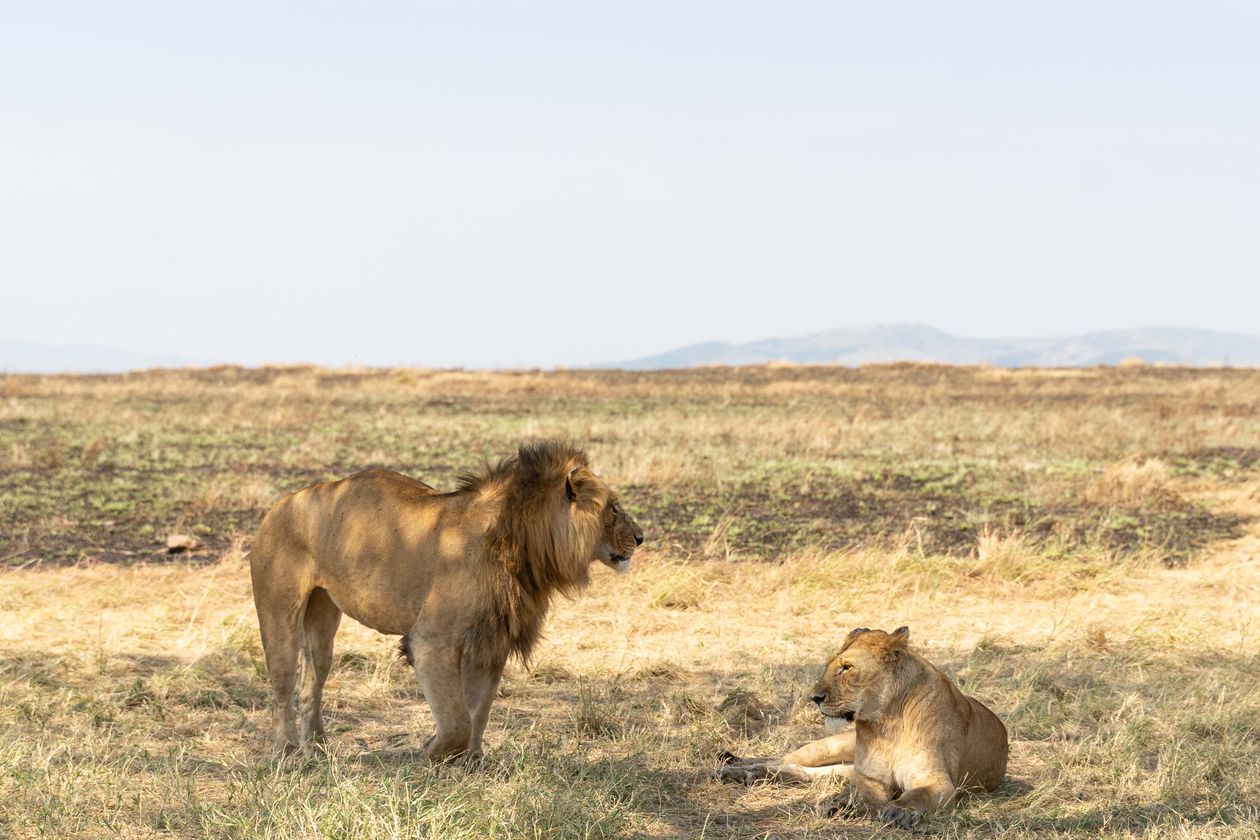
Southern Serengeti and the Ndutu plains come alive from December to March. This is where roughly 500,000 wildebeest calves are born over a few weeks in the short-grass plains, and the concentration of newborns pulls in lions, cheetahs, and hyenas for the most intense predator action of the year. Outside calving season the southern plains dry out and empty, so time this region carefully.
Northern Serengeti (Kogatende) is the stage for the famous Mara River crossings, mainly from July to October. Herds mass on the banks and plunge through crocodile-filled water in the scenes most people picture when they think of the migration. Plan at least three nights up here to improve your odds, because crossings are unpredictable and can happen days apart. Our full Serengeti Great Migration guide maps the herds month by month.
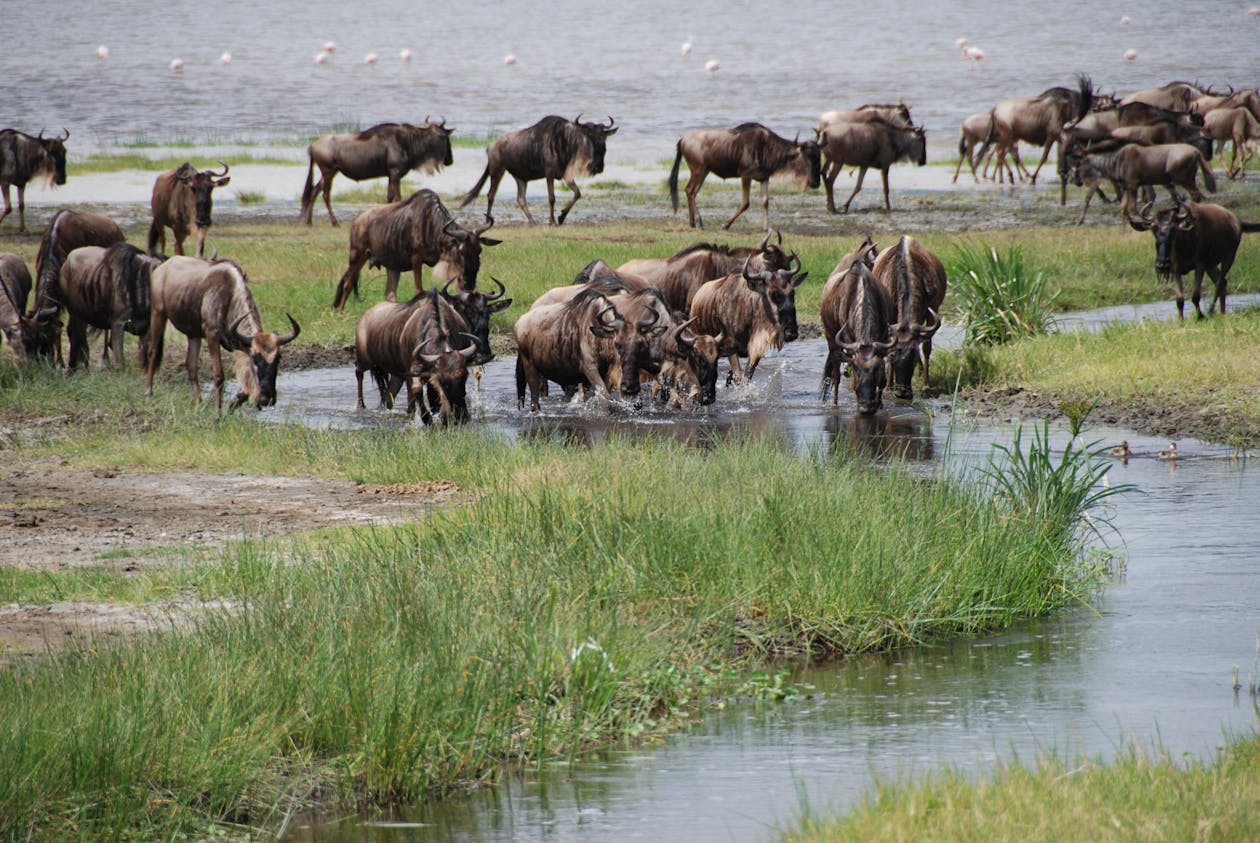
The Western Corridor (Grumeti) follows the Grumeti River toward Lake Victoria and sees the migration around May and June, when the herds move through and the resident Grumeti crocodiles get their turn. It is quieter and less visited than the north, which appeals to travelers who want the migration without the crowds, though it works only in that narrow window.
What wildlife you'll see in the Serengeti
The Serengeti holds all of the Big Five, though black rhino are rare and mostly limited to the Moru Kopjes area, so realistic first-timers should treat rhino as a bonus rather than an expectation. Lions are the headline act, with the park supporting the largest population in Africa, and leopards and cheetahs are both seen regularly, especially around Seronera. Add elephants, giraffes, hippos, buffalo, and huge numbers of plains game, and a few days here typically produce a longer sightings list than almost anywhere else on the continent.
Beyond the marquee animals, the plains hold zebra, topi, eland, and gazelle in the tens of thousands, and the birdlife is excellent, with over 500 recorded species including ostrich, secretary birds, and lilac-breasted rollers. If seeing every member of the Big Five is a priority, pair your reading with our guide to the Big Five in Tanzania, which explains which park gives you the best odds for each animal.
How many days do you need in the Serengeti?
Most travelers should plan three to four nights inside the Serengeti, usually as part of a six- to eight-day northern-circuit trip that also takes in Ngorongoro Crater and Tarangire. Three nights lets you settle into one region properly and gives the wildlife time to perform, which single-night stops never do. If you are chasing the Mara River crossings, lean toward the higher end, because crossings are unpredictable and extra days meaningfully raise your chances.
Trying to see the southern calving grounds and the northern crossings on the same trip is usually a mistake unless you have a week or more and are willing to fly between camps, since they are hundreds of kilometers apart and peak at opposite times of year. Pick the region that matches your dates and go deep. For help splitting your time across the wider circuit, our comparison of the Serengeti versus Ngorongoro Crater shows how the two flagship parks complement each other.
Where to stay and how to get there
Accommodation ranges from mobile tented camps that follow the migration to permanent lodges and a handful of high-end properties, and where you sleep should match the region you are visiting rather than the other way around. Mobile camps in the north or south put you within minutes of the action during crossing and calving seasons, while permanent lodges around Seronera work well year-round. Staying inside the park saves long transfer times but adds the concession fee; lodges just outside the boundary can be cheaper.
Getting there is straightforward. Most visitors fly from Arusha or Kilimanjaro to one of the Serengeti's airstrips in about an hour, which is the fastest way to reach the far northern or southern camps. Others drive as the climax of a northern-circuit road trip, arriving via the Ngorongoro highlands, which turns the journey itself into part of the safari. Your operator will match the approach to your route, budget, and how much time you have.
Frequently asked questions
How much does a Serengeti National Park safari cost per day?
Park entry is $83 per adult per 24 hours in 2026, and with the concession fee and 18% VAT a foreign adult staying inside the park pays roughly $160 a day in fees alone. Once you add a vehicle, guide, and lodging, all-in daily prices generally run from about $250 per person for mid-range trips to $700 or more for luxury camps.
What is the best month to visit the Serengeti?
For all-round game viewing and the Mara River crossings, July to October is the strongest window. For the calving season and the most intense predator action, aim for late January to March in the southern plains. Resident wildlife is present every month, so there is no truly poor time to go.
Can you see the Great Migration in the Serengeti all year?
Yes. The migration is a continuous year-round loop rather than a single event, so the herds are always somewhere inside the greater Serengeti ecosystem. What changes is the region: the south for calving from December to March, the west around May and June, and the north for river crossings from July to October.
How many days do you need in the Serengeti?
Three to four nights is the sweet spot for most travelers, usually within a six- to eight-day trip that also covers Ngorongoro and Tarangire. If your main goal is the Mara River crossings, plan toward the higher end, since crossings are unpredictable and extra days raise your chances of seeing one.
Is the Serengeti or the Masai Mara better?
They are two halves of the same ecosystem. The Serengeti is far larger with fewer vehicles per sighting and hosts the migration for most of the year, while Kenya's Masai Mara offers the crossings from roughly August to October in a smaller, easier-to-reach area. The Serengeti suits travelers who want space and a longer migration window.
Do you pay Serengeti park fees at the gate?
Almost never as an independent traveler. Fees are collected electronically through a registered tour operator rather than in cash at the gate, and in practice they are already included in the package price your operator quotes, so you do not hand over money on arrival.