
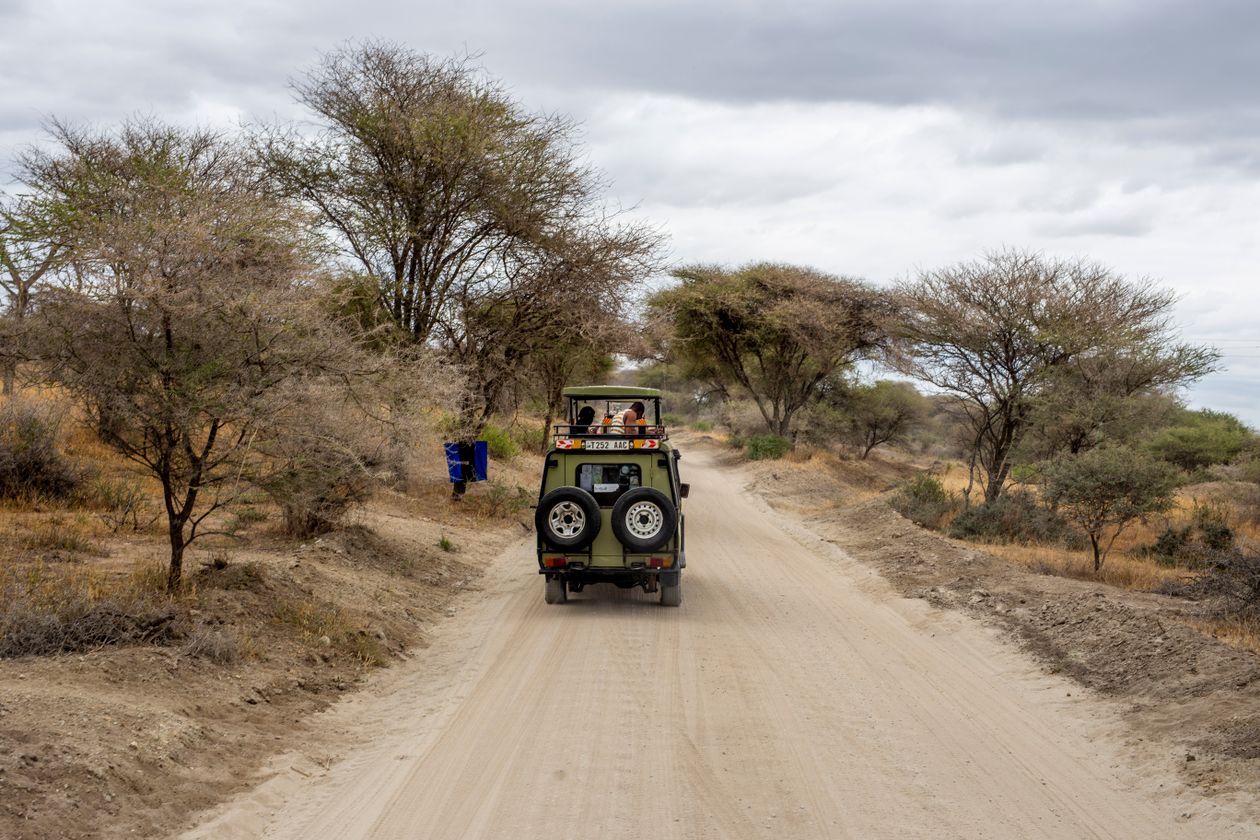
Tanzania safari lodges vs. tented camps is one of the first accommodation questions you face when planning a safari, and the answer shapes everything from your game-viewing strategy to your nightly experience. The core difference is structure: lodges use permanent stone or wood walls with hotel-style facilities, while tented camps use canvas walls, though the best permanent and mobile camps include en-suite bathrooms, proper beds, and reliable solar power. Tented camps tend to sit inside national park boundaries, placing you closer to wildlife; lodges are more common on park edges. For most first-time visitors, a mix of both delivers the best overall experience, or you can start with a mid-range permanent tented camp and add a lodge night or two at the end.
What Is a Safari Lodge?
A safari lodge is a permanent structure built from stone, wood, brick, or a combination of materials, with fixed walls, reliable all-day electricity from a grid connection or generator, and hotel-style amenities throughout. Lodges in Tanzania range from simple three-star properties with standard rooms and set menus to ultra-luxury resorts with private plunge pools, full spas, and fine dining.
In practical terms, staying in a lodge means air conditioning is more commonly available, wi-fi is more consistent, and rooms have more storage space. Swimming pools are standard at mid-range and above. Families traveling with young children often find lodges more manageable because the infrastructure is predictable and there is space to spread out between game drives. Some lodges also run their own vehicles and guides, which can simplify the booking process.
Location varies considerably. Some lodges operate inside national park boundaries and pay the Tanzania National Parks concession fee of $70.80 per person per night. Many mid-range and budget lodges sit just outside park gates to keep rates lower. Ngorongoro's crater rim lodges sit in the conservation area rather than a national park and occupy fixed positions with dramatic views down into the crater that no tented camp can replicate.
What Is a Tented Camp?
A tented camp uses canvas walls stretched over a wooden or metal frame, usually on a raised platform with a veranda. The term covers three meaningfully different setups, and knowing which type you are booking changes the experience considerably.
Permanent tented camps stay in one location year-round and include en-suite bathrooms with flushing toilets and hot showers, real beds with proper mattresses, and solar power that handles charging, lighting, and most guest needs. The best permanent camps feel like boutique hotels where the walls happen to be canvas. Lemala Ewanjan in the central Serengeti and Oliver's Camp in Tarangire are good examples of what a well-run permanent tented camp looks like at the mid-range and upper-mid price point.
Seasonal or mobile camps relocate two to four times a year to follow the Great Migration across the Serengeti. They are lighter than permanent camps but still include proper bedding, private bathrooms (often bucket shower style in the field), and a mess tent for meals. Because these camps move to where the wildebeest and zebra are, a mobile camp positioned near the Mara River in July or August consistently delivers some of the best wildlife proximity available anywhere in Africa. If the Serengeti Great Migration is a priority, this is the accommodation type to plan around first.
Budget campsites are a separate category entirely. Public campsites inside national parks share bathrooms among all guests and have basic communal facilities. Private campsites are cleared ground where your operator brings everything, including tents, bedding, and cooking equipment. This is genuinely adventurous travel and a different proposition from either a permanent tented camp or a lodge.
Tanzania Safari Lodges vs. Tented Camps: The Key Differences
The comparison below summarizes the main practical differences. The sections that follow explain what actually matters most when you are choosing for your specific trip.
| Safari Lodge | Tented Camp | |
|---|---|---|
| Structure | Permanent stone or wood walls | Canvas on a wooden frame |
| Electricity | Grid or generator, all day | Solar, usually reliable |
| In-park location | Sometimes | Usually (permanent and mobile) |
| Wildlife sounds at night | Muffled by walls | Clear and immediate |
| Price range (per person/night) | $300 to $1,500+ | $150 to $900+ |
| Best comfort season | Year-round | Dry season (June to Oct) |
| Staff-to-guest ratio | Moderate | High at small camps |
The most important practical differences for most travelers come down to three things. First is location inside or outside the park, which affects how long you drive before the game viewing starts each morning. Second is the soundscape: sleeping in canvas means you genuinely hear the bush at night, from hyenas calling across the plains to elephants moving through camp in the dark. Third is access to specific wildlife events, particularly the Serengeti migration, where proximity to the herds decides whether you see a river crossing or spend an hour in transit to find one. Comfort at the luxury tier is comparable between both types, and service at a small 8 to 12-tent camp typically exceeds what a larger lodge can deliver because the guest-to-staff ratio is much lower.
Location and Wildlife Access
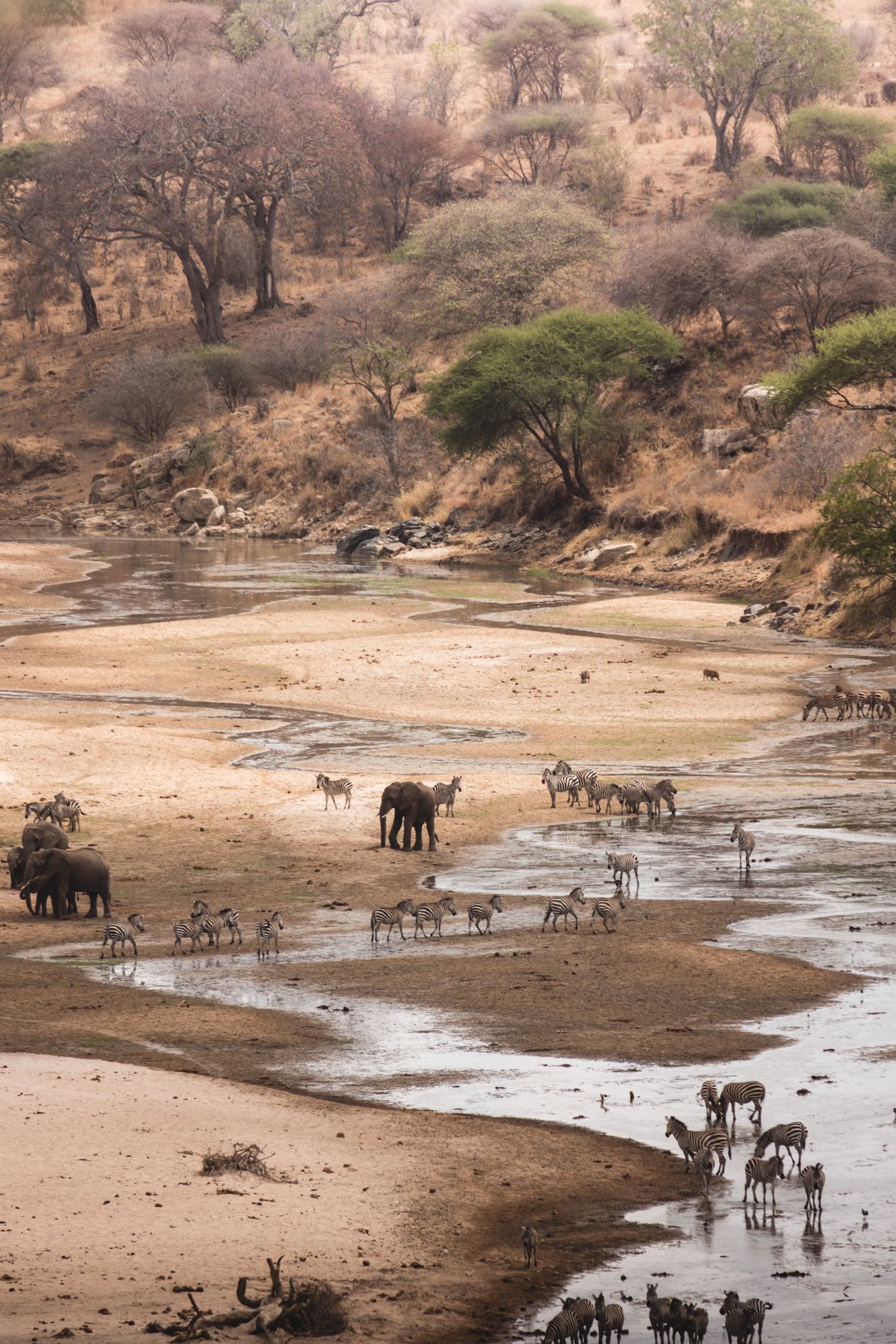
Tented camps, particularly permanent and mobile ones, are far more likely to sit inside national park boundaries than lodges. This location advantage matters more than most travelers expect before their first safari.
When your camp is inside the Serengeti, you can be on a game drive at first light without any transit. When your lodge sits 30 to 45 minutes outside the park boundary, you spend the first hour of every morning and the last hour of every evening on a paved road outside the park. On a six-day safari, that adds up to roughly six hours of potential game-viewing time lost to transit, time that could otherwise go toward a leopard at dawn or a cheetah hunt at sunset.
All accommodation inside a national park adds the TANAPA concession fee of $70.80 per person per night to your invoice, on top of the standard park entry fees. This fee applies equally to lodges and tented camps inside the parks. It is worth keeping in mind when comparing quotes at similar star levels from a property inside the park versus one outside, since the inside-park property may show a higher accommodation rate but save meaningful time each day.
Private concession areas adjacent to national parks, such as parts of the Lamai Wedge north of the Serengeti, allow night drives and walking safaris that TANAPA rules prohibit inside the park itself. These activities are available from some lodges and tented camps in concession zones regardless of whether the walls are canvas or stone, so if night game drives are important to you, ask the property directly rather than assuming the accommodation type determines what activities you can do.
Price: What to Budget at Each Tier
Prices across the two accommodation types overlap more than most listings suggest, and the tier you choose within each type matters more than whether you pick a lodge or a camp.
At the budget level ($80 to $200 per person per night), you are looking at basic lodges outside the park with simple rooms and set menus, or public campsites inside the park with shared facilities. The budget lodge is typically more comfortable day-to-day; the budget campsite gives you an in-park position at lower cost if you are doing a self-drive or budget operator trip.
At the mid-range level ($300 to $600 per person per night), the permanent tented camp often delivers more than its lodge equivalent in the same price band. You get a higher-quality location inside the park, a smaller camp with more personal service, and a more immediate bush experience. Well-run lodges at the same price point can match the game proximity in the right locations, but the atmosphere tends to be more hotel-like and the guest numbers higher.
At the luxury level ($600 to $1,500+ per person per night), both options are excellent and the choice is genuinely personal. Luxury lodges offer larger pools, full spa facilities, and a more polished hotel finish. Luxury tented camps and mobile camps that follow the migration, which run $800 to $1,200 per person per night in peak season from July to October, offer an experience that no lodge can replicate. Food and service quality at this tier is high across both types. Note that the TANAPA concession fee of $70.80 per person per night applies inside national parks at all tiers and is worth factoring into your total budget.
When to Choose a Lodge for Your Tanzania Safari
A lodge is the stronger choice in a few specific situations.
If you are traveling with young children, particularly under age seven or eight, the predictable infrastructure of a lodge, with solid walls, a swimming pool for downtime, and reliable air conditioning, makes the day-to-day logistics easier. Young children who are new to the bush can find the sounds of a tented camp unfamiliar at night, and a lodge gives you more contingency if anyone needs a quieter sleep. There are family-friendly tented camps in Tanzania, but a good lodge has more flexibility for off-safari time. Our Tanzania family safari guide covers properties and pacing for different ages in detail.
If you are traveling in the rainy season (March to May or November to December), lodges tend to be more comfortable day-to-day. Canvas holds humidity, and heavy rain on a tent roof at night is loud. Well-built lodges stay drier and cooler, and the thicker walls cut noise. Rainy season game viewing can still be very good, particularly in Tarangire and Ngorongoro where animals are spread across a greener landscape, and a mid-range lodge gives you a solid base for it at rates that are typically 20 to 30 percent lower than peak season.
If you want a spa, a large pool, or a proper rest day between game drives, lodges are better equipped for it. Some longer safaris genuinely benefit from a lower-energy day, and a lodge with a shaded deck and a pool is the right setting for that.
When to Choose a Tented Camp for Your Tanzania Safari
A tented camp is the better choice in these situations.
If you are visiting the Serengeti between July and October to see the Great Migration, a mobile or northern-positioned permanent tented camp gives you proximity to the Mara River crossings that a lodge in the central Serengeti cannot match. The crossing zone shifts week by week; a mobile camp that repositions keeps you 20 to 30 minutes from the action. A fixed lodge in the Seronera valley may be two hours from the same event during a busy crossing period.
If you want to sleep in the African bush and genuinely hear it, a tented camp is the only way. Thick concrete walls insulate you from the soundscape of the night. Canvas does not. Lions calling at 2am, hippos splashing on a nearby river, the slow creak of a giraffe walking past camp: these are the things travelers most consistently mention as the moment a safari stopped feeling like a trip and started feeling like something else. You cannot get this in a lodge.
If you want a smaller and more personal atmosphere, most quality tented camps host 8 to 12 tents. The staff-to-guest ratio is high, the guides know your name and your interests by the second morning, and dinner around a communal table under the stars is a different kind of evening than a lodge buffet. For photographers, being inside the park at first light and golden hour without transit time is a material advantage that adds up over a week.
Mixing Lodges and Tented Camps on One Safari
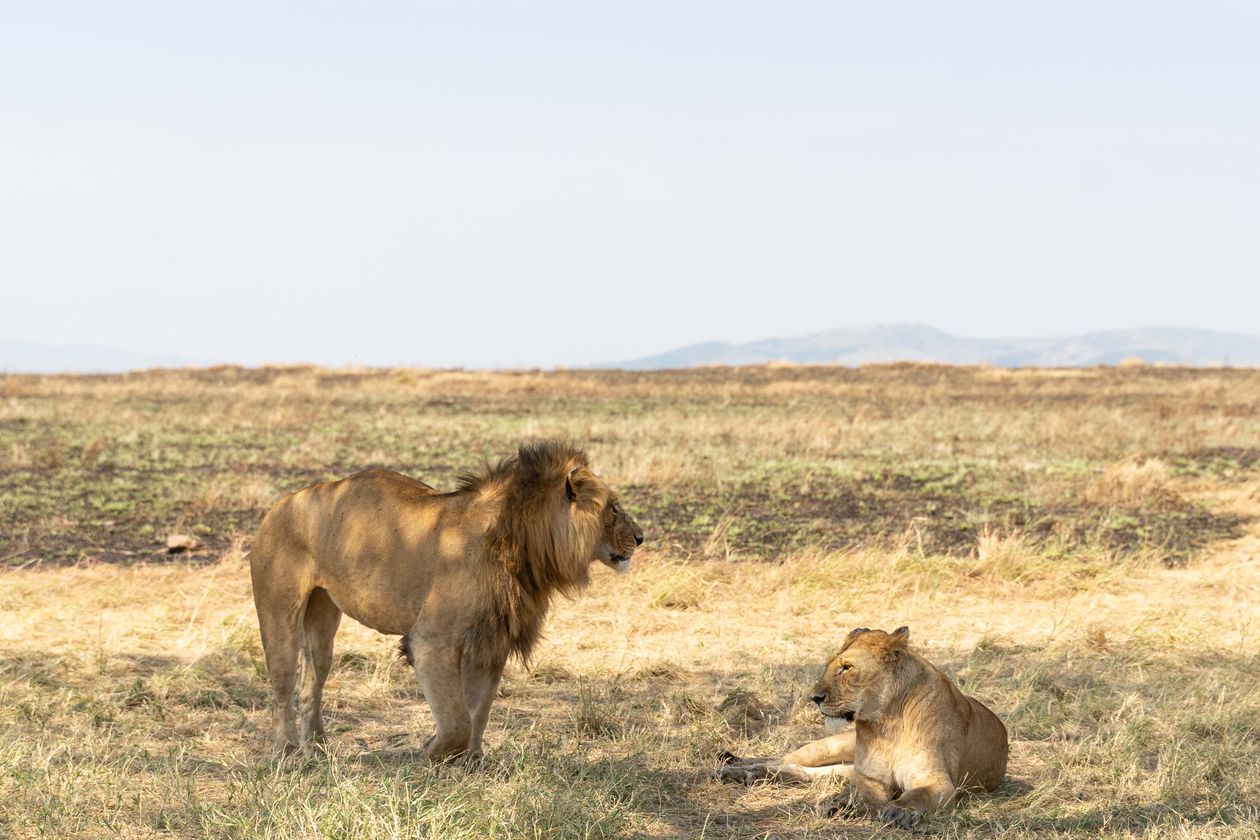
Many Tanzania itineraries combine both accommodation types, and this is often the best outcome. A common pattern: two nights at a permanent tented camp inside the Serengeti for early-morning in-park access, then two to three nights at a lodge in a different area for a change of pace and better facilities, finishing with a night at a crater rim lodge at Ngorongoro. The mix gives you the wildlife immersion of a tented camp and the recovery comfort of a lodge without fully committing to either for the whole trip.
If you have never stayed in a tented camp and want to try it without booking seven nights in canvas, one or two tented camp nights as part of a longer itinerary is a low-commitment introduction. Most travelers who try it once end up booking it as their primary accommodation on the next trip. The practical experience of sleeping in a well-run permanent tented camp is considerably more comfortable than the word "camp" suggests, and the difference from a lodge is mostly in what you hear and how close you feel to the bush rather than in amenities.
Which Accommodation Style Works Best by Park
The right choice also depends on which parks anchor your itinerary, since each park has a different mix of available accommodation and a different seasonal logic.
Serengeti National Park has the widest range of accommodation in Tanzania, from budget public campsites to ultra-luxury mobile camps. For dry-season visitors who are not specifically chasing the migration crossings, a permanent tented camp in the central or northern Serengeti is the recommended starting point. For the Mara River crossings from July to October, a mobile or northern camp is the clear choice. Our Serengeti safari guide covers the park zones and which areas suit which kind of trip in detail.
Tarangire National Park has a smaller pool of in-park accommodation, with the majority of lodges positioned just outside the southern boundary. The in-park tented camps, Oliver's Camp being the most established, give you direct access to the Tarangire River corridor where elephant concentrations build substantially from June through October. If you are visiting in the green season, an outside-park lodge is a reasonable option because animals spread further from the river and the proximity advantage of an in-park camp matters less.
Ngorongoro Conservation Area has a specific setup: the crater floor has no permanent camps or lodges, so all overnight stays are on the rim. Crater rim lodges offer dramatic views down into the caldera and access by road to the floor each morning. You descend for day visits, not to sleep. Our Ngorongoro Crater guide covers the concession fees, daily descent logistics, and what the floor delivers across different seasons.
Lake Manyara National Park is typically a half-day stop on the route between Tarangire and the Serengeti. Accommodation options include tree lodges perched above the forest canopy and standard lodges outside the park boundary. There is no need to optimize heavily for Manyara accommodation on most northern circuit itineraries; it is usually the transit night rather than a core game-viewing destination.
Frequently Asked Questions
Is a tented camp safe in Tanzania?
Yes. Reputable tented camps in Tanzania are safe. Staff escort guests between tents and the dining area after dark, tent zippers and flaps are secured at night, and camps operating inside national parks follow TANAPA safety protocols. Camp teams are trained in wildlife encounter procedures. If you are nervous about it, mention that when you book; camps are used to reassuring first-timers and will walk you through what to expect before your first evening.
Do tented camps in Tanzania have private bathrooms?
Most mid-range and luxury permanent tented camps include en-suite bathrooms with a flushing toilet and a hot shower. Budget campsites use shared ablution blocks. Mobile camps in the field typically use bucket showers with hot water brought by camp staff. If a private bathroom matters to you, confirm it in the property listing before booking; reputable camps state this clearly in their descriptions.
Can I charge electronics at a tented camp?
Yes. Permanent tented camps run on solar power with battery storage and provide USB and mains charging in the tent or at a communal station. Most reputable camps handle guest electronics without issue through the dry season. Mobile camps in very remote locations may have more limited power; if you are bringing equipment that needs regular charging, confirm the setup with the specific property before you travel.
Are lodges or tented camps better for first-time safari travelers?
Either works well for a first-timer. If you are uncertain about sleeping in canvas, a mid-range permanent tented camp (not a basic campsite) is a comfortable starting point that most travelers enjoy more than expected. The practical differences between a well-run permanent tented camp and a mid-range lodge are smaller than they sound on paper. What matters more is the camp's location relative to the game areas and which parks your itinerary covers.
Is it cheaper to stay outside the park in a lodge?
The nightly room rate for an outside-park lodge is usually lower, but the full cost comparison is more involved. A lodge 45 minutes from the park gate means roughly one to two hours of drive time each day outside the park. Over a five-day safari, that is five to ten hours of potential game-viewing time lost to transit. A tented camp inside the park that includes the $70.80 per person TANAPA concession fee often delivers better overall value when you weigh the access and time you gain against the higher headline rate.
How far ahead should I book a tented camp or lodge in Tanzania?
Book luxury tented camps and small mobile camps 6 to 12 months ahead for peak season (July to October). The best camps fill quickly because they have very few tents. Mid-range lodges typically need four to six months of lead time for the dry season. If you are traveling in the rainy season (March to May), you have considerably more flexibility, and many lodges discount rates by 20 to 30 percent during that period.